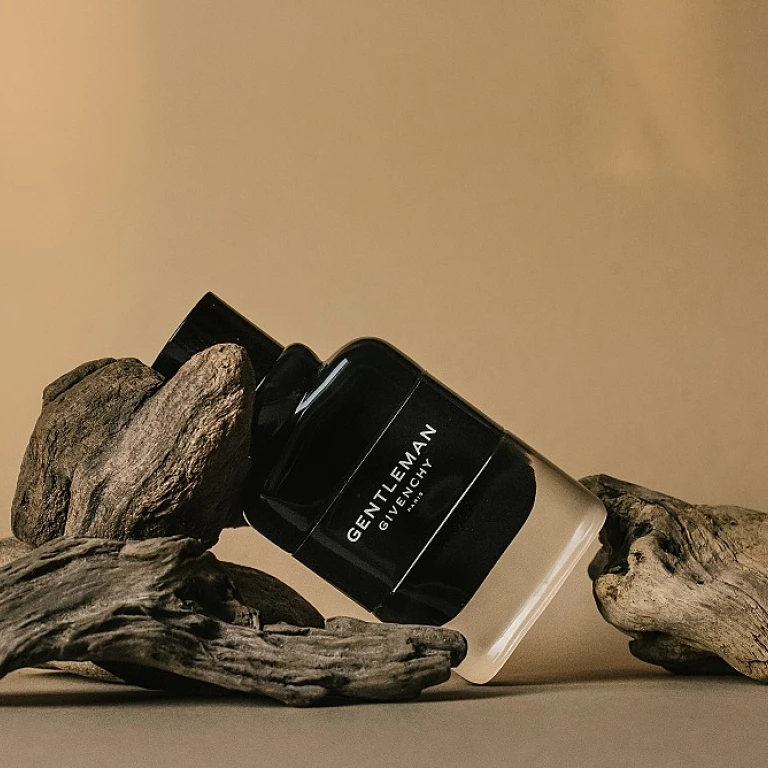

Understanding the basics of layering perfumes
What Does It Mean to Layer Perfumes?
Layering perfumes is the art of combining two or more fragrances to create a scent that is uniquely yours. This technique lets you personalize your fragrance experience, blending notes and accords in ways that reflect your mood, style, or even the season. Whether you’re a fan of classic eau de parfum or love experimenting with perfume oils, layering opens up a world of olfactory possibilities.
Why Layering Appeals to Fragrance Lovers
For those who adore fragrance, the appeal of layering is simple: it’s about creativity and self-expression. Instead of sticking to a single signature scent, you can explore endless combinations, making each day’s aroma a new adventure. Layering also helps you get more mileage out of your fragrance collection, allowing you to rediscover old favorites in fresh, unexpected ways.
How Layering Works: The Basics
- Start with clean skin: Fragrance lasts longer and smells truer when applied to freshly cleansed skin.
- Understand fragrance families: Knowing the difference between floral, woody, oriental, and fresh scents helps you predict how perfumes will interact.
- Apply in order: Lighter scents like citrus or green notes usually go first, followed by deeper, richer fragrances.
- Test before you commit: Always try combinations on your skin before wearing them out, as body chemistry can change how scents blend.
Layering isn’t just about mixing random perfumes. It’s about understanding how different notes interact and how to balance intensity, longevity, and projection. If you’re curious about the science and artistry behind combining scents, check out this guide on mastering the art of scent combination for fragrance lovers.
In the next sections, we’ll explore how to choose the right fragrances to layer, application techniques, and creative combinations to suit every mood and occasion.
Choosing the right fragrances to layer
Finding Harmonious Notes
When it comes to layering perfumes, the secret lies in selecting fragrances that complement each other rather than compete. Start by understanding the fragrance families—floral, woody, oriental, fresh, and gourmand. Combining scents from similar families often creates a smooth, cohesive aroma, while mixing contrasting families can result in a more daring, unique signature. For example, pairing a soft floral with a creamy vanilla can add depth, while blending citrus with light woods brings freshness and complexity.
Concentration and Longevity Matter
Not all fragrances are created equal in terms of strength and staying power. Eau de parfum, eau de toilette, and perfume oils each have different concentrations of aromatic compounds. Knowing these differences helps you predict how your layered scent will evolve throughout the day. For a deeper dive into this topic, check out this guide on understanding the differences between perfume oil and eau de parfum.
Consider the Season and Occasion
- Warm weather: Opt for lighter, fresher scents like citrus, aquatic, or green notes. These blend well and won’t overwhelm in the heat.
- Cooler months: Richer, spicier, or woody fragrances add warmth and comfort, making them ideal for layering in autumn and winter.
- Daytime: Subtle, clean combinations are best for work or casual outings.
- Evening: Feel free to experiment with bolder, more sensual blends for special occasions.
Test and Trust Your Senses
Always test your chosen fragrances together on your skin before committing. What smells harmonious on a blotter may shift once it interacts with your body chemistry. Apply a small amount of each scent to your wrist or inner elbow, wait a few minutes, and see how the notes develop together. Trust your nose—your personal taste is the most important guide in creating a signature layered scent.
Techniques for applying layered scents
Mastering the Art of Application
Once you’ve selected your fragrances, the way you apply them can make all the difference in your layering experience. The goal is to create a harmonious blend that evolves beautifully throughout the day, rather than a muddled mix. Here’s how to get the most out of your perfume layering routine:
- Start with clean, moisturized skin. Hydrated skin holds fragrance longer, so consider applying an unscented lotion before your first spritz. This step helps the scent adhere and develop gradually.
- Apply from lightest to heaviest. Begin with lighter scents such as citrus or florals, then layer richer notes like woods or orientals on top. This allows each fragrance to shine without overpowering the others.
- Target pulse points. Focus on areas like wrists, inner elbows, and behind the ears. These spots radiate warmth, helping the fragrance diffuse naturally.
- Don’t rub your wrists together. This common habit can crush the fragrance molecules, altering the scent profile. Instead, let the perfumes dry naturally on your skin.
- Experiment with distance. Spraying from different distances can affect how the scent settles. A closer spray delivers a more concentrated aroma, while a mist from farther away creates a subtle veil.
For those who love to extend their scent experience beyond personal fragrance, consider exploring how a natural reed diffuser can enhance your environment. This approach complements your perfume layering, creating a cohesive sensory journey throughout your day.
Remember, layering is about personal expression. Take your time, trust your nose, and enjoy the process of discovering combinations that feel uniquely yours.
Common mistakes to avoid when layering perfumes
Overdoing It: Less Is More
One of the most common pitfalls in layering perfumes is applying too much product. When you combine several fragrances, the intensity can quickly become overwhelming. Start with a light hand—just a spray or dab of each scent. You can always add more if needed, but it's much harder to tone down an overpowering blend.
Clashing Notes and Mismatched Families
Not all fragrances play well together. Mixing scents from clashing fragrance families—like a spicy oriental with a fresh aquatic—can result in a confusing or unpleasant aroma. It's best to layer perfumes that share complementary notes or belong to similar families. For example, pairing a vanilla-based scent with a floral or woody fragrance often creates a harmonious effect.
Ignoring the Order of Application
The sequence in which you apply your fragrances matters. Lighter scents, such as citrus or green notes, should be applied first, followed by heavier, longer-lasting base notes like musk or amber. This approach allows each layer to shine and prevents heavier scents from overpowering the lighter ones.
Rushing the Process
Layering perfumes is an art that requires patience. Allow each fragrance to settle on your skin for a few moments before adding the next. This helps you gauge how the scents interact and ensures a balanced result. Rushing can lead to muddled or uneven scent development.
Neglecting Skin Preparation
Dry or unprepared skin can alter how fragrances develop and last. Always moisturize your skin before layering, preferably with an unscented lotion or a matching body product. This step helps the scent adhere better and last longer, enhancing your overall fragrance experience.
- Apply sparingly to avoid overwhelming intensity
- Choose scents with complementary notes
- Layer from lightest to heaviest
- Let each layer settle before adding the next
- Prep your skin for optimal scent performance
Creative combinations for every mood and occasion
Unexpected Pairings for Signature Statements
Layering perfumes is a creative playground for fragrance lovers. Once you understand the basics and have selected compatible scents, it’s time to experiment with combinations that reflect your mood, style, or even the season. The art of layering is about personal expression, and there are endless possibilities to explore.
- For a Cozy, Comforting Vibe: Try pairing a vanilla-based fragrance with a soft musk or a subtle woody scent. This combination creates a warm, inviting aura that’s perfect for relaxed days or chilly evenings.
- For a Fresh, Energizing Effect: Blend a citrus-forward perfume with a green or aquatic note. The result is a crisp, uplifting scent profile that feels clean and invigorating, ideal for daytime or active occasions.
- For a Romantic Evening: Combine a floral fragrance, such as rose or jasmine, with a hint of amber or patchouli. This duo brings depth and sensuality, making it a great choice for special nights out.
- For a Bold, Statement Scent: Layer a spicy perfume with a gourmand note, like chocolate or coffee. This creates a unique, attention-grabbing signature that stands out in a crowd.
Tips for Seasonal and Mood-Based Layering
Adjust your combinations according to the weather and your emotional state. Lighter, airy scents work well in spring and summer, while richer, more intense fragrances shine in autumn and winter. Don’t hesitate to revisit your collection and try new pairings as your preferences evolve.
Practical Examples for Everyday Inspiration
| Occasion | Suggested Layering Combo |
|---|---|
| Work or Meetings | Soft floral + clean musk |
| Casual Outings | Citrus + light wood |
| Evening Events | Amber + spicy oriental |
| Relaxing at Home | Lavender + creamy vanilla |
Remember, the best part of layering is discovering what feels right for you. Trust your nose, enjoy the process, and let your signature scent evolve with your mood and the moment.
Caring for your skin and fragrances during layering
Protecting Your Skin While Layering
When layering perfumes, your skin is the canvas. Healthy, well-moisturized skin not only helps scents last longer but also ensures the fragrance develops beautifully throughout the day. Always apply fragrance to clean, hydrated skin. Unscented moisturizers or body oils can act as a base, preventing irritation and helping your chosen notes blend seamlessly. Avoid layering directly on broken or sensitive skin to minimize the risk of reactions.
Storing Your Fragrances for Longevity
Proper storage is crucial for maintaining the integrity of your perfumes, especially when you’re experimenting with layering. Keep bottles away from direct sunlight, heat, and humidity. A cool, dark place—like a drawer or a dedicated shelf—will help preserve the top, heart, and base notes. Always close the cap tightly after use to prevent evaporation and oxidation, which can alter the scent profile.
Mindful Application for Lasting Results
Layering can involve multiple sprays or dabs, so it’s important not to overdo it. Over-application can overwhelm your senses and those around you. Start with a light hand and build up if needed. If you’re using a product part like a scented body lotion or oil as your base, let it absorb fully before adding your next fragrance layer. This approach ensures each scent has its moment to shine while protecting your skin from potential buildup.
- Hydrate skin before applying fragrances for better scent longevity.
- Store perfumes in a cool, dark place to maintain their quality.
- Use unscented moisturizers to avoid clashing notes.
- Apply fragrances in moderation to prevent skin irritation.
By caring for both your skin and your fragrances, you’ll enjoy a more refined, long-lasting scent experience every time you layer.